A Sustainable Revolution in Children's Play?
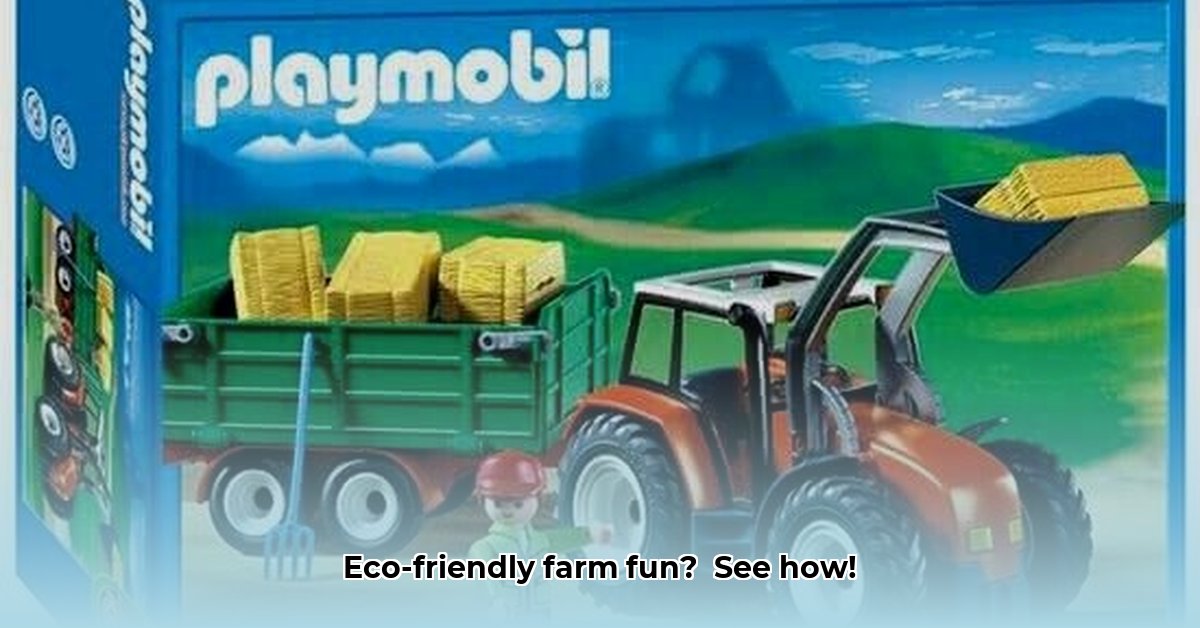
Playmobil's foray into the sustainable toy market with its new electric tractor (71305) and harvester (71249) represents a significant development in the children's toy industry. Boasting over 80% sustainable materials, these products cleverly tap into the growing parental demand for environmentally conscious playthings. However, a comprehensive analysis reveals a complex interplay of opportunities and challenges for Playmobil in this burgeoning market. This report will explore the key aspects of Playmobil's eco-friendly initiative, examining its sustainability claims, educational potential, market positioning, and the associated risks and rewards. For comparison, see other eco-friendly toy tractors like this John Deere Tractor.
Sustainable Materials: Assessing the Lifecycle Impact
The utilization of recycled and plant-based plastics is a positive step towards environmental responsibility. However, a critical evaluation of the entire product lifecycle is essential. Questions remain regarding the precise sourcing of these materials and their end-of-life management. Complete transparency, including detailed information on material sourcing, manufacturing processes, and disposal methods, is crucial for building consumer trust. Independent verification from a reputable third-party organization would significantly enhance the credibility of Playmobil's sustainability claims. This level of transparency is not merely a marketing ploy; it's a cornerstone of responsible corporate citizenship.
Beyond the Tractor: Educational Potential and Expansion
Playmobil's farm toys offer a unique opportunity for educational engagement. Children can engage in creative play, learning about agriculture and environmentally friendly practices in a fun, hands-on manner. The realistic designs spark curiosity about food production, offering a practical approach to a critical subject. However, this potential could be further enhanced. Expanding the product line to include sets showcasing renewable energy sources (e.g., miniature solar panels), diverse farming techniques, and educational booklets about sustainable agriculture would amplify the learning experience. By creating a comprehensive farm ecosystem encompassing barns, various animals, crops, and even wind turbines, Playmobil can create truly immersive and impactful play experiences. The limited current range of sets represents a missed opportunity for a more comprehensive and engaging educational venture.
The Cost of Sustainability: Balancing Price and Environmental Responsibility
The increased cost of sustainable materials presents a significant challenge. Playmobil must navigate the delicate balance between affordability and its commitment to eco-friendly production. A detailed cost-benefit analysis, encompassing material sourcing, manufacturing, and transportation, is necessary to optimize cost-effectiveness without compromising quality or environmental integrity. A strategic marketing campaign is crucial to communicate effectively both the fun and educational aspects of the toys and Playmobil's dedication to sustainability, thereby justifying the potential premium pricing. This will require carefully crafted messaging that resonates with environmentally conscious parents who increasingly prioritize sustainable products.
Risk Assessment and Mitigation Strategies
Playmobil faces several key risks in its endeavor to establish a strong presence in the eco-friendly toy market. These risks, along with proposed mitigation strategies, are summarized below:
| Risk Factor | Likelihood | Impact | Mitigation Strategies |
|---|---|---|---|
| Consumer Perception of Quality | Medium | Medium | Robust durability testing and marketing highlighting the toys' engaging features. |
| Material Sourcing Challenges | Medium | High | Secure long-term contracts with reliable sustainable material suppliers; diversify sourcing. |
| Production Cost Increase | High | Medium | Continuous innovation in manufacturing processes; exploration of cost-effective sustainable substitutes. |
| Competition | High | Medium | Emphasize unique selling propositions (USPs), including sustainability commitment and educational value. |
| Brand Reputational Risk | Low | High | Transparent communication regarding sourcing and manufacturing processes; independent audits. |
Conclusion: Reaping the Rewards of Sustainable Play
Playmobil's initiative in producing eco-friendly toys demonstrates a forward-thinking approach to the children's play market. The potential for creating both entertaining and educational products that promote environmental awareness is significant. However, the success of this venture hinges on addressing the outlined challenges, particularly those related to cost-effectiveness, material sourcing, and transparent communication with consumers. By proactively mitigating identified risks and actively fostering trust through its commitment to sustainable practices, Playmobil has the potential to become a leader in the increasingly important sector of eco-conscious toys. Further research into consumer preferences and the long-term environmental performance of the chosen materials will be crucial for ongoing success in this evolving landscape.